
Understanding the psychology behind gambling What drives our actions at the casino
The Allure of Gambling
The allure of gambling is a powerful phenomenon that draws millions of individuals to casinos and online gaming platforms. The thrill of uncertainty and the possibility of winning big can create an intoxicating mix of excitement and hope. This psychological aspect is amplified by the visual and auditory stimuli of gambling environments, which are designed to capture attention and enhance the overall experience. The flashing lights, the sounds of coins falling, and the celebratory atmosphere contribute to a heightened state of arousal that keeps players engaged. Additionally, for those seeking unique embroidery designs, visiting https://theembroiderybarn.co.uk/ can offer delightful alternatives during their downtime.
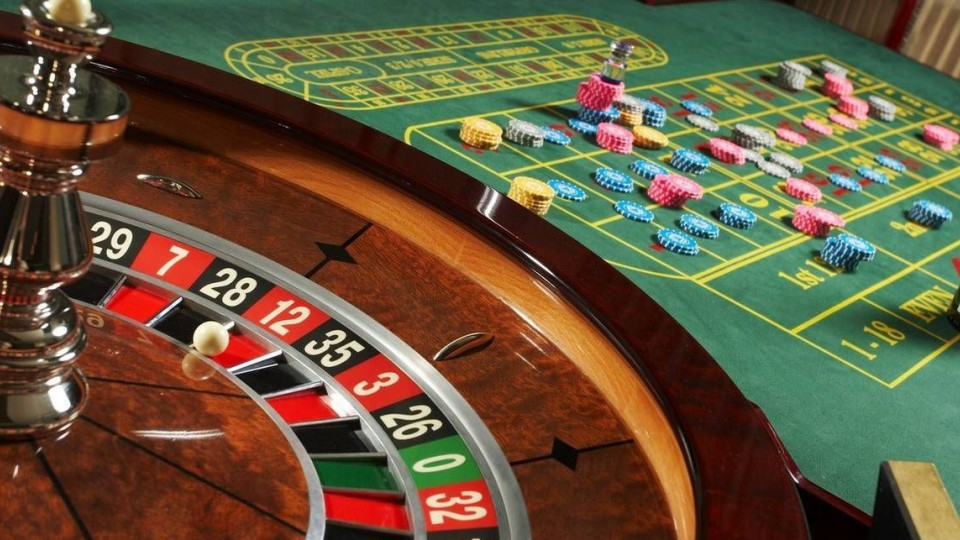
Moreover, the unpredictability inherent in gambling plays a crucial role in its appeal. Many players are attracted to the idea of a jackpot or a lucky win. This uncertainty stimulates the brain’s reward pathways, releasing neurotransmitters such as dopamine, which creates feelings of pleasure and satisfaction. In essence, the emotional highs of potential success can overshadow the logical awareness of risks, making the act of gambling more attractive than the possibility of loss.
The concept of near misses also heightens this allure. When players come close to winning but ultimately lose, it can lead to a stronger desire to continue gambling, as they believe a win is just around the corner. This psychological phenomenon can be particularly potent, as it feeds into a player’s optimism and encourages them to chase losses, often leading to prolonged sessions at the casino.
The Role of Cognitive Biases
Cognitive biases significantly influence gambling behavior, shaping how individuals perceive odds, outcomes, and risks. One prevalent bias is the illusion of control, where gamblers believe they can influence the outcome of random events, such as rolling dice or spinning a roulette wheel. This false sense of agency can lead individuals to gamble more frequently, thinking their strategies or skills can sway the odds in their favor. In reality, all casino games are designed to be random, yet the belief in personal control remains a powerful motivator for many players.
Another cognitive bias is the gambler’s fallacy, which is the mistaken belief that past events can influence future outcomes in random games of chance. For example, if a player observes that a particular number has not come up on a roulette wheel for several spins, they may assume it is “due” to win, leading them to increase their bets. This misunderstanding of probability can skew a player’s judgment, often resulting in bigger losses as they chase what they perceive to be a forthcoming win.
Additionally, the concept of confirmation bias plays a role in gambling decisions. Players often remember their wins more vividly than their losses, reinforcing a positive self-image and encouraging continued play. This selective memory can create a skewed perspective on one’s gambling history, leading players to underestimate the risks involved and overestimate their chances of success. Recognizing these cognitive biases is crucial for understanding why individuals continue to gamble despite the odds being against them.
The Impact of Emotions on Gambling Behavior
Emotions play a pivotal role in the psychology of gambling, influencing decision-making and behavior at the casino. For many, gambling serves as a form of escapism, allowing individuals to temporarily detach from their everyday stresses and anxieties. This emotional release can feel rewarding, making it easy for players to rationalize their gambling habits as a coping mechanism. When people are feeling down or stressed, they may turn to gambling in search of an emotional boost, often overlooking the potential consequences.
Positive emotions can also drive gambling behavior. Winning a bet can create a euphoric experience that players want to replicate, leading them to gamble more frequently. The anticipation of winning can evoke feelings of excitement and happiness that act as a powerful motivator to continue engaging with gambling activities. However, it’s essential to recognize that emotions can also lead to impulsive decisions. Players who gamble while under the influence of strong emotions may not assess their actions rationally, potentially leading to significant financial losses.
Furthermore, the social aspect of gambling can amplify emotional responses. Many individuals enjoy the camaraderie of playing games in a casino environment, which can enhance the pleasure of the experience. Social connections formed in gambling settings can create a sense of belonging, and the shared excitement of winning can intensify the overall enjoyment. However, it’s crucial for players to be aware of their emotional state and to consider practicing responsible gambling to avoid the negative impact of impulsive decisions fueled by emotions.
Responsible Gambling Practices
With the widespread allure of gambling and the psychological factors at play, understanding and implementing responsible gambling practices is essential. One effective method is setting clear limits on spending and time spent gambling. Establishing a budget before engaging in any gaming activity helps ensure that players only wager what they can afford to lose. This practice fosters a more mindful approach to gambling, allowing individuals to enjoy the experience without falling into financial distress.
Another critical aspect of responsible gambling is self-awareness. Players should regularly assess their gambling habits and recognize any signs of problematic behavior. This includes being mindful of emotional states and acknowledging when gambling starts to feel less like entertainment and more like a necessity. Taking breaks and removing oneself from the gaming environment can help maintain perspective and control over one’s gambling activities.
Lastly, resources and support networks are invaluable for promoting responsible gambling. Many casinos and online gaming platforms provide tools for players to track their spending and set limits. Additionally, seeking support from friends, family, or professional organizations can help individuals navigate their gambling experiences more effectively. By prioritizing responsible practices, players can enjoy the excitement of gambling while mitigating the risks associated with excessive play.

Lizaro Casino: A Responsible Gaming Environment
Lizaro Casino is dedicated to providing a safe and enjoyable gaming experience for its users. Launched in 2025, the platform emphasizes responsible gambling by offering various tools and resources to help players manage their gaming habits. With a strong focus on user safety, Lizaro operates under SSL encryption and adheres to compliance measures, ensuring a secure environment for all its players.
Additionally, Lizaro Casino offers a generous welcome bonus and an expansive selection of over 10,000 games, including slots and live dealer experiences. This variety keeps players engaged while also promoting responsible play through educational resources about the risks of gambling. The platform encourages users to set personal limits and offers support options for those who may need assistance.
By prioritizing responsible gaming practices, Lizaro Casino aims to create a positive atmosphere where players can enjoy their gaming adventures without compromising their well-being. With 24/7 customer support and swift payment options, Lizaro is not just a gaming platform; it’s a commitment to a safe and enjoyable gambling experience for everyone.